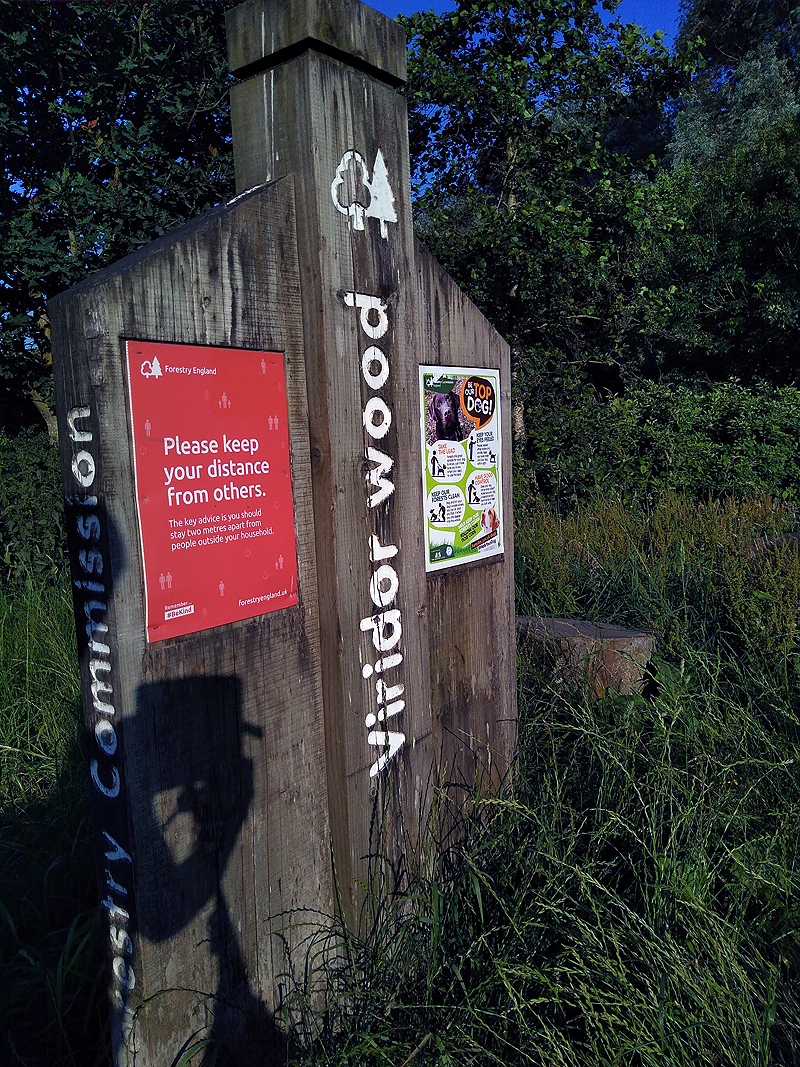
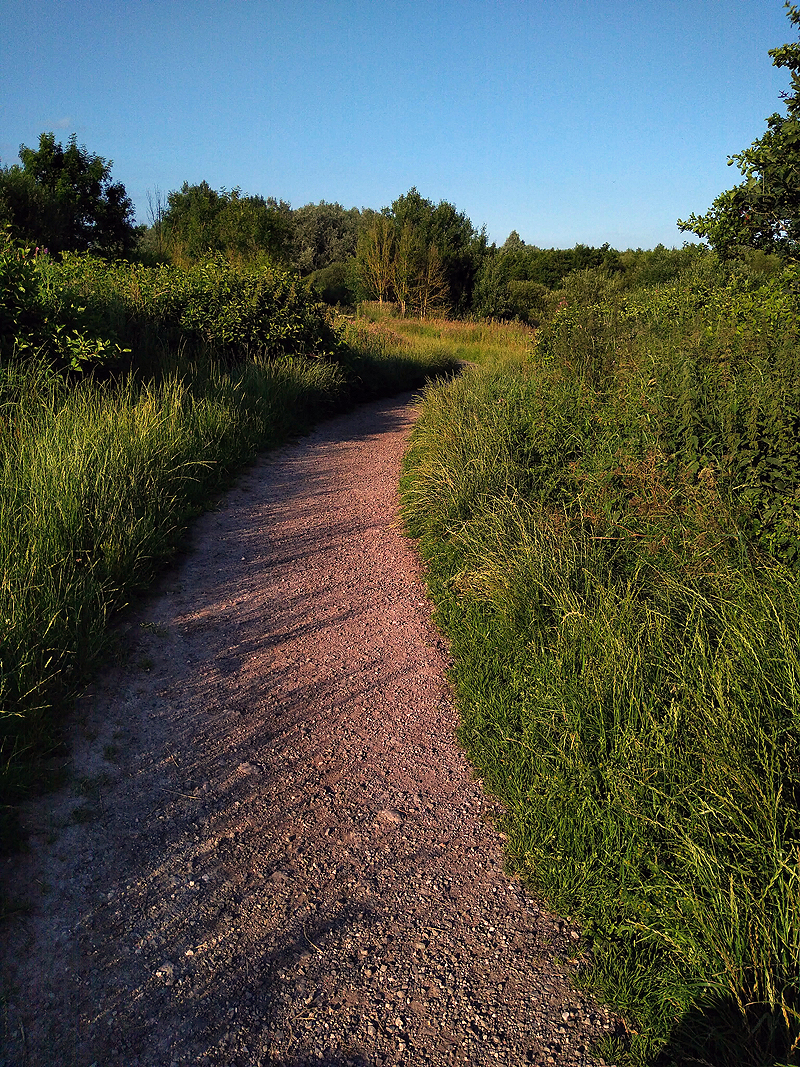
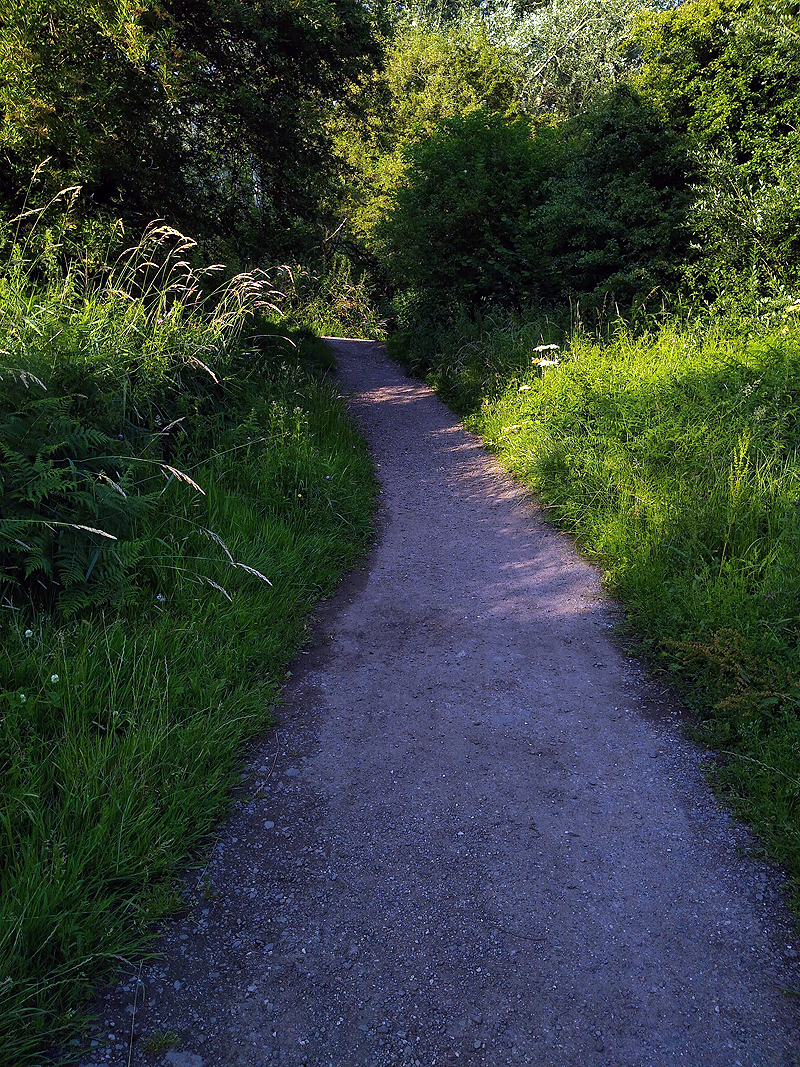
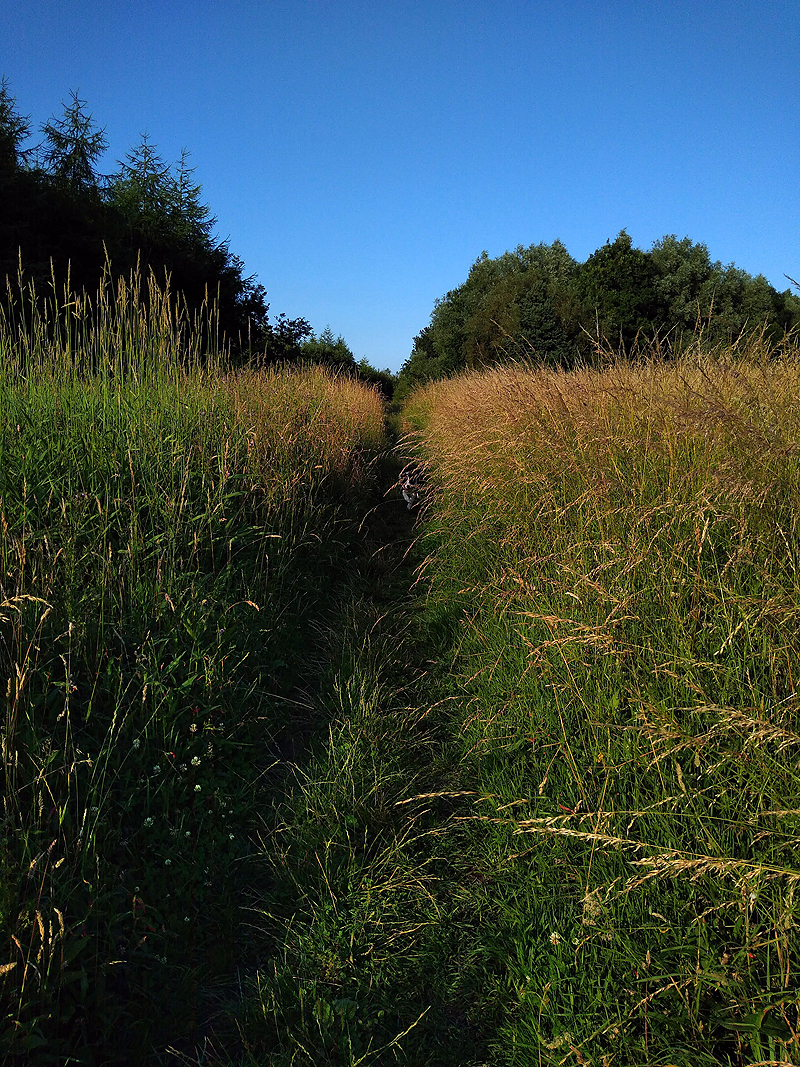
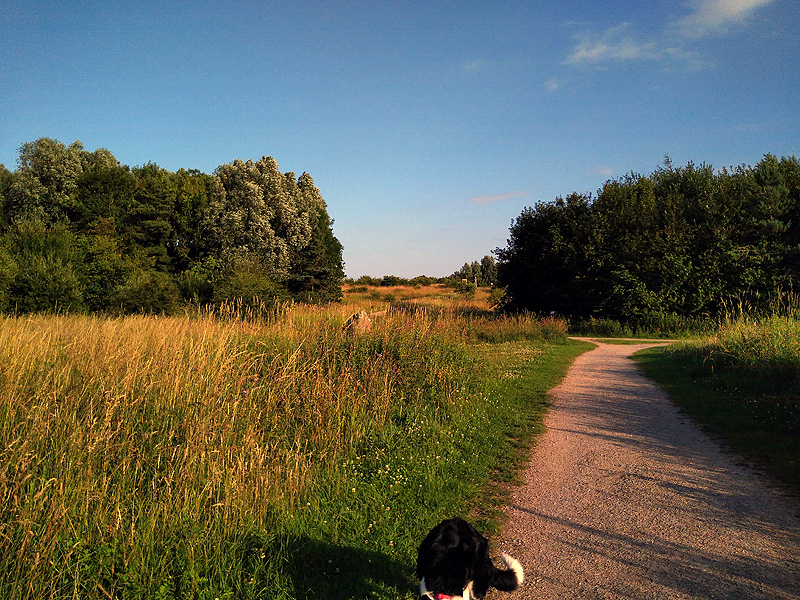
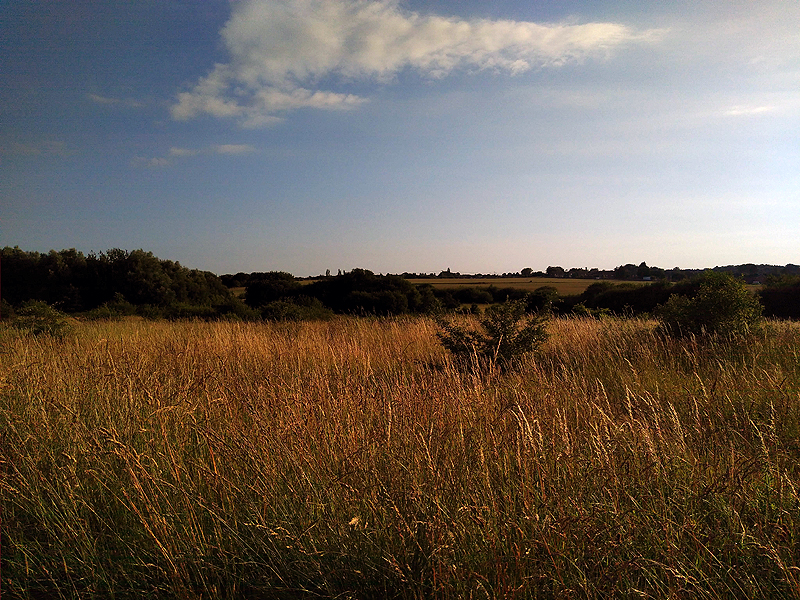
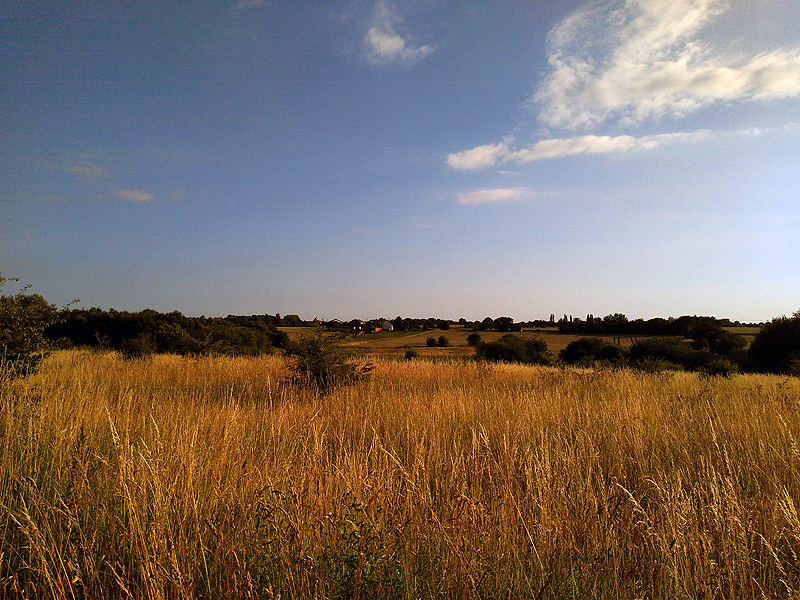
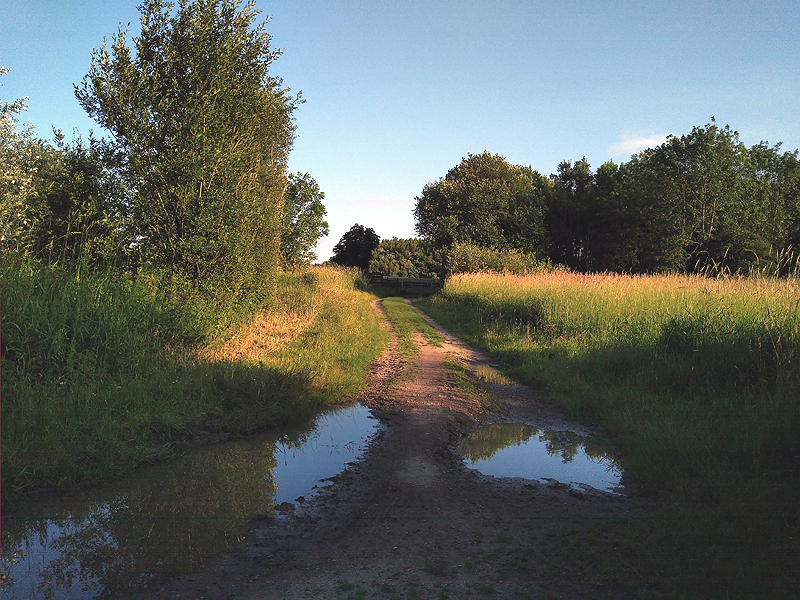
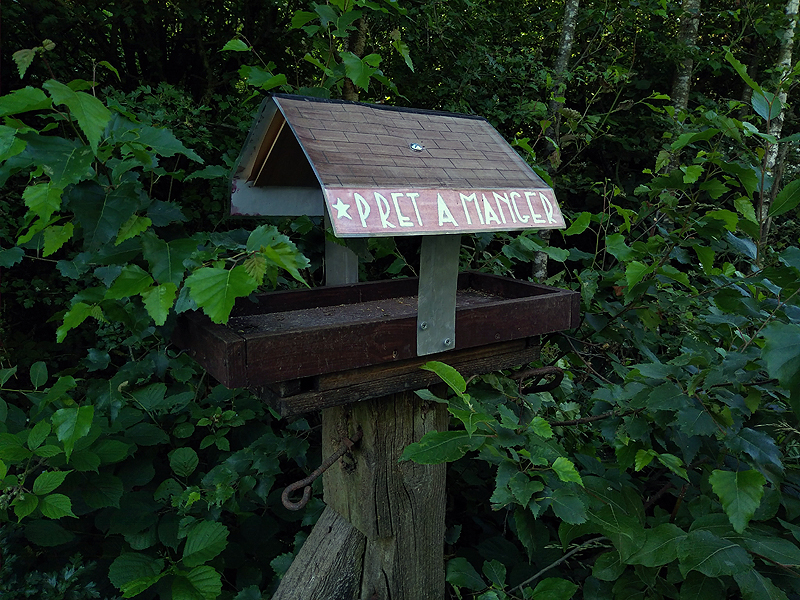
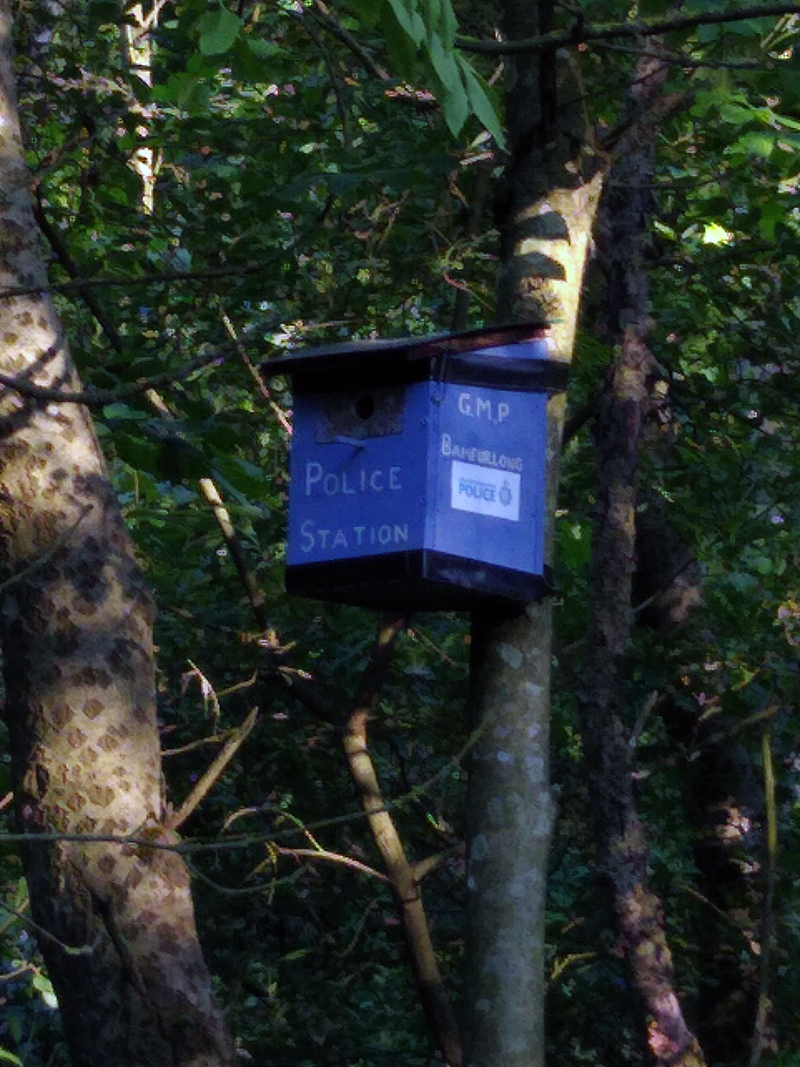
 Viridor Walking Woods on a beautiful summer evening is hard to beat for it’s open spaces, meadows and of course woodland.
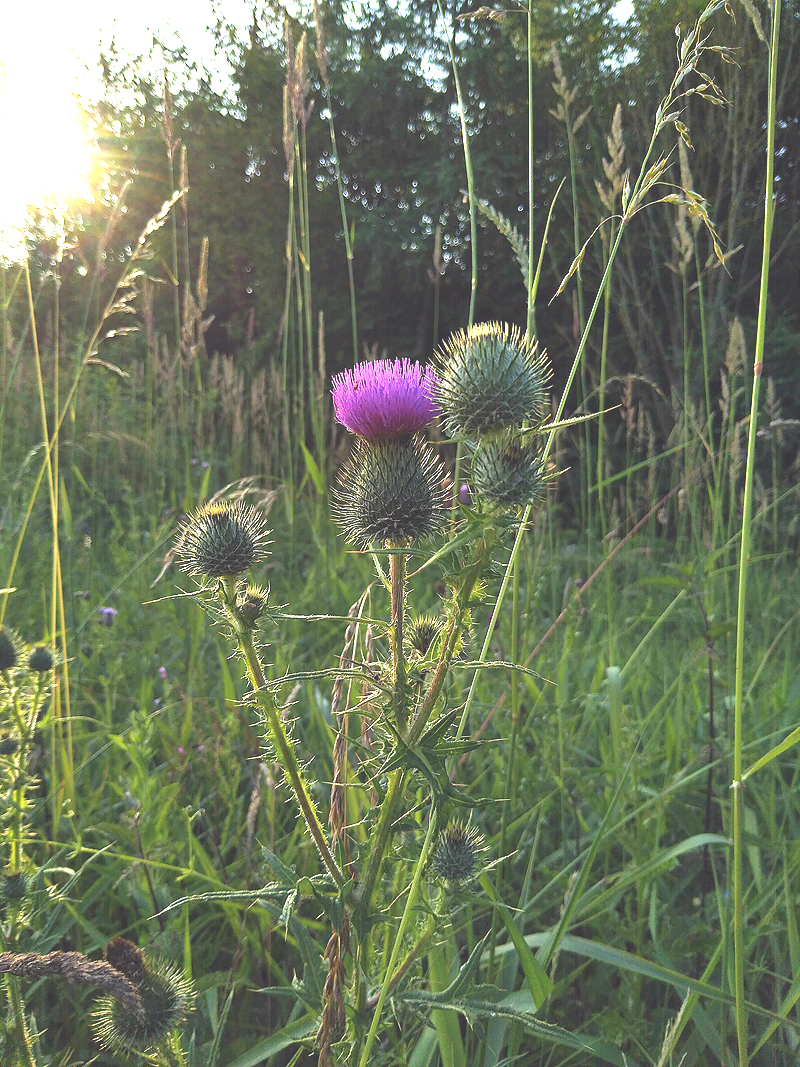
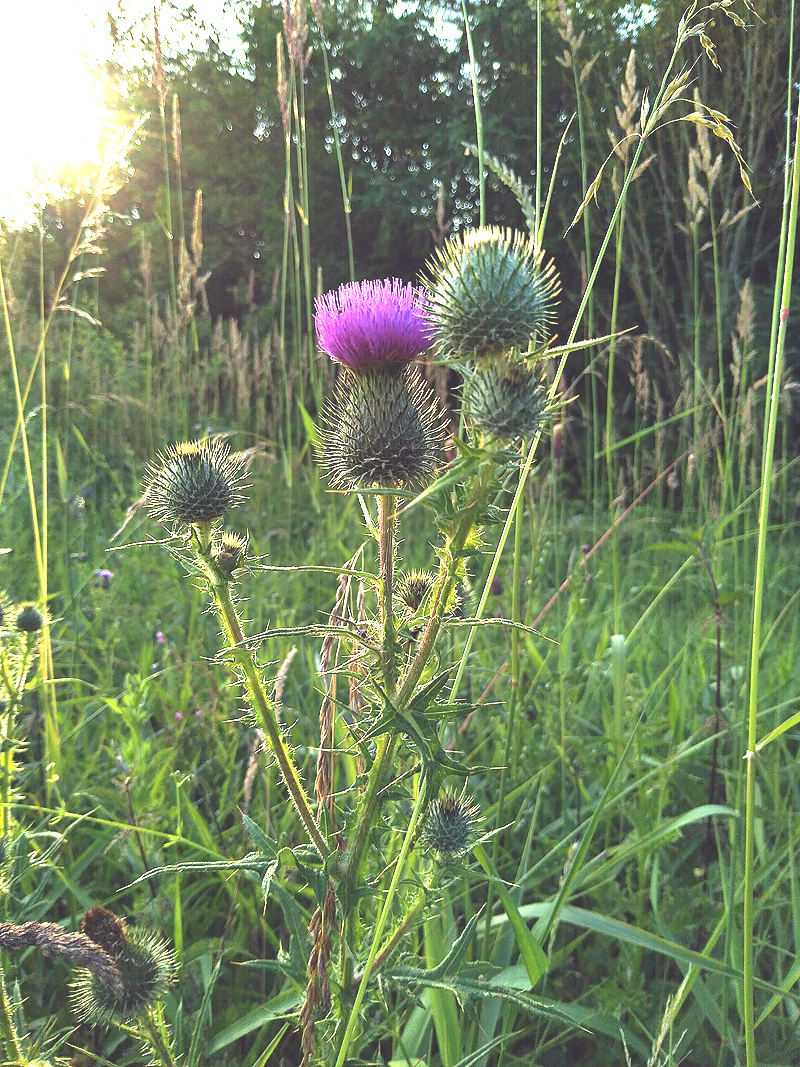
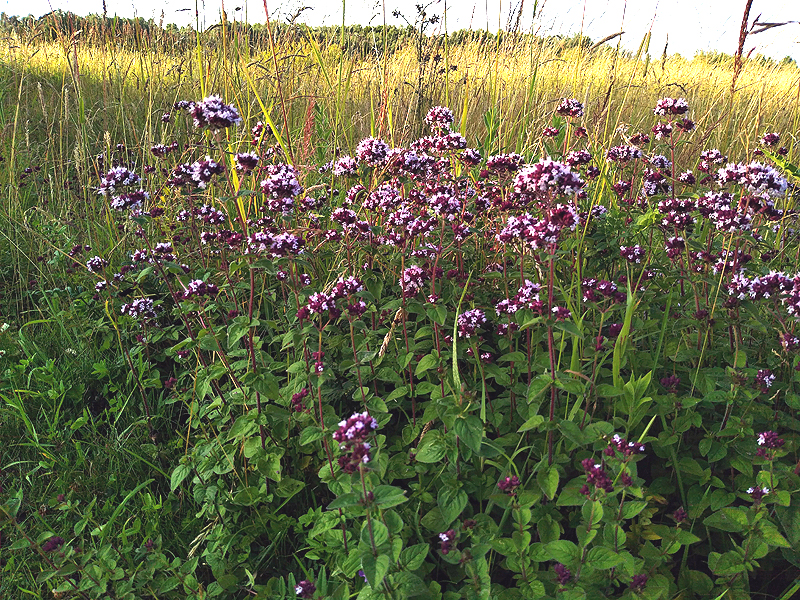
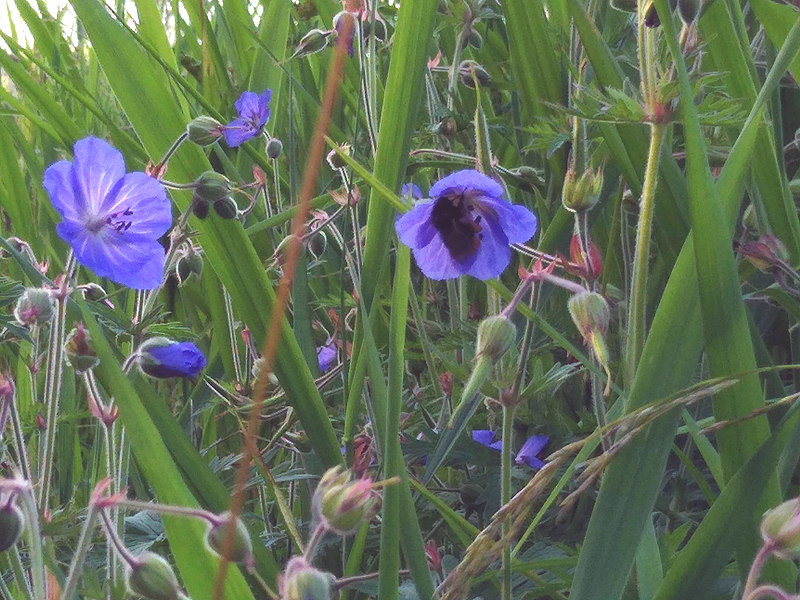
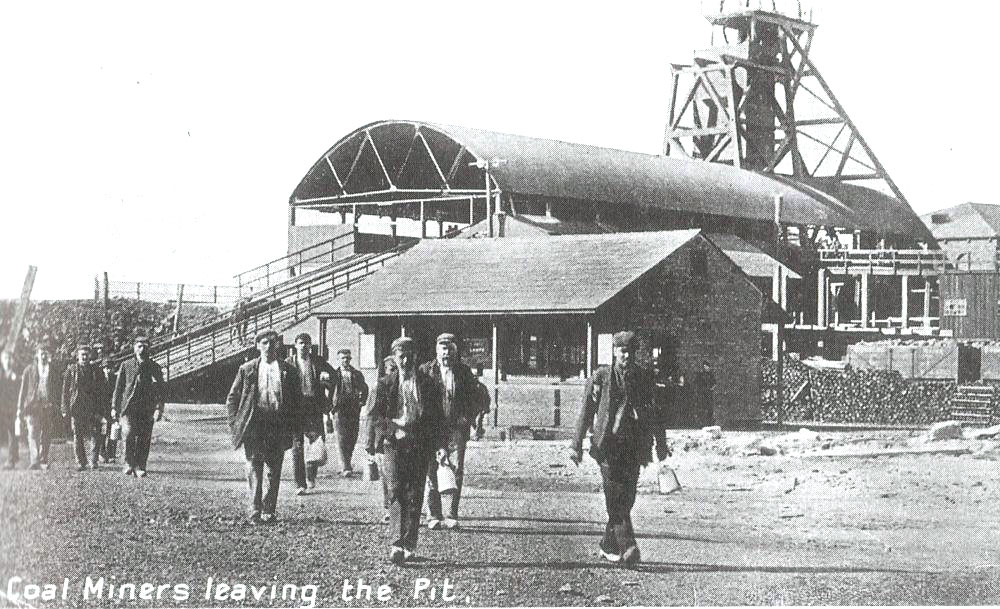
Once the large Mains Colliery created by Cross, Tetley and Co about 1870, acquired by the Wigan Coal and Iron Co. in 1934, operated by the National Coal Board from 1947 and closed in 1960. The land is now an expansive wild space and host to a wide variety of wildlife and plants including Orchids.
From Colliery to community woodland, with large open spaces, great views, sculptures and car parking Viridor Wood is an ideal way to spend an afternoon. Linking to the Three Sisters Country Park and the Leeds and Liverpool Canal you can explore further afield from here.
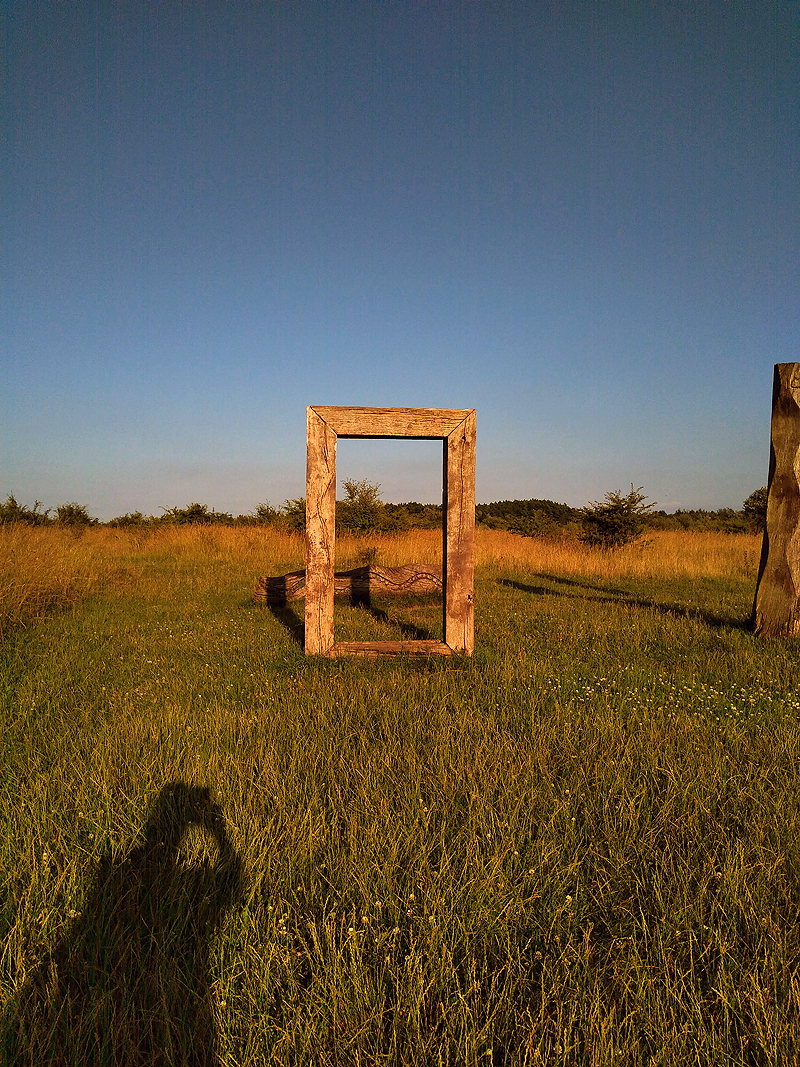
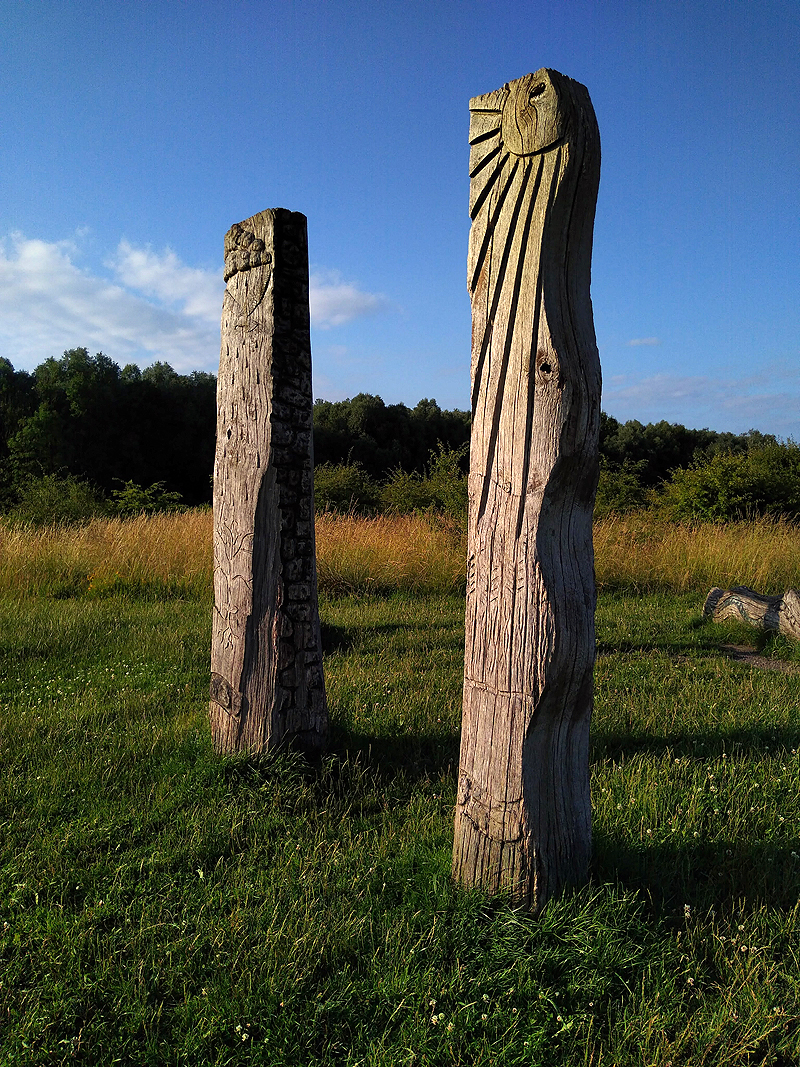
Richard Caink’s fascinating sculptures provide a welcome place to rest and remember the woodland’s past as a coalmine. Set over three areas, there is the opportunity to explore as you wish from a quick five minute stroll up to a whole day exploring Viridor Wood and the neighbouring country park and canal.
https://www.wigan.gov.uk/Resident/Leisure/Greenheart/Viridor-Wood.aspx#
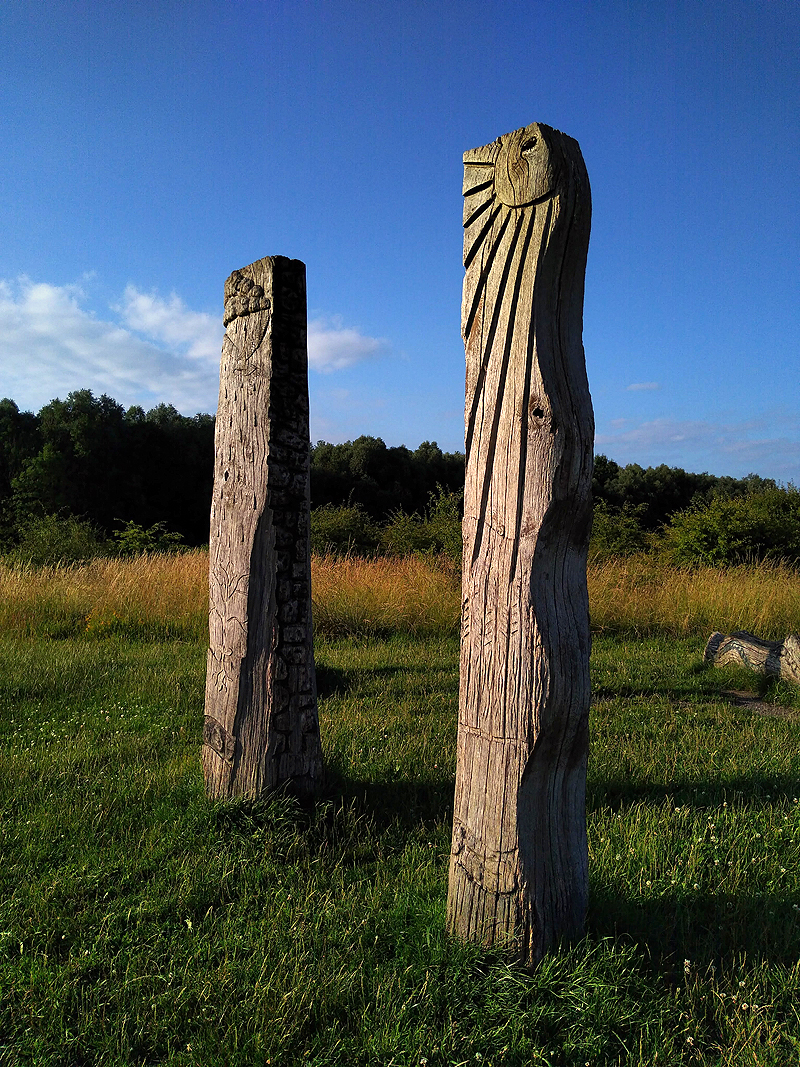 Managed by Forestry England, Viridor Wood was created in 2001 and by 2003 the millionth tree was planted. This community woodland includes wood sculptures at it’s highest point. It has three parts: the western section is between Three Sisters and the A58; the central part is between the A58 and the railway line; the eastern section is between the railway line and Abram Flashes.
Another Viridor Woods Story is it was once called coffin wood …
Coffin Wood
“As for Coffin Wood and Coffin Lane you need to go back to a time before the mines came along when the residents of Bamfurlong and Stubshaw areas had to travel to the then Parish Church, Holy Trinity in what is now North Ashton to bury their dead. They carried the coffins along a lane which went over the fields from Bolton Road near to Baldwin’s Farm to Four Footed Cross (now called Bryn Cross) and then onto the Church in Ashton (now Downall Green). The lane from Bolton Road to Four Footed Cross passed through a wood where the mourners would rest and pray before continuing to the church, hence the name; Coffin Lane and Coffin Wood. Unfortunately, Coffin Wood was buried under the slag heaps that became the Three Sisters and the lane although no longer there, followed a route similar to the diagonal footpath across Viridor Wood from a point near to Baldwin’s Farm.”
Vic Greenwood – https://aimi.org.uk/localhistory/brynh.htm
To further strengthen this story, the woods has a small brook called Coffin Lane Brook to the North of the route.